
The History of Infrared Saunas in Australia
Infrared saunas are now a mainstream part of Australia’s wellness landscape, but their rise has been surprisingly recent. In less than a decade, infrared sauna studios have evolved from niche biohacking curiosities into widely respected wellness destinations. At the forefront of this shift has been NIMBUS CO, Australia’s first dedicated infrared sauna studio, founded in 2016 by Su, a nutritionist, and Neil O’Sullivan, a semi-professional athlete managing autoimmune inflammation.
To understand how infrared sauna therapy became embedded in Australian culture, it helps to step back and look at its global origins.
Global Roots of Infrared Sauna Technology
Traditional Finnish saunas date back thousands of years and rely on heated stones to warm the air. Infrared saunas, however, are a modern innovation. Developed in Japan in the mid-20th century, infrared technology uses radiant heat waves to warm the body directly rather than heating the surrounding air. This creates a gentler, more tolerable experience while still inducing deep sweating.
By the early 2000s, infrared saunas were gaining traction in North America and parts of Asia, driven by growing interest in recovery science, longevity research, and preventative wellness. Early adopters included athletes, physiotherapists, and wellness practitioners seeking alternatives to high-heat traditional saunas.
Arrival in Australia
Infrared sauna technology began appearing in Australia in the early 2010s, primarily in private homes and boutique wellness clinics. However, access remained fragmented and inconsistent. There was no cohesive studio model dedicated exclusively to infrared therapy.
That changed in 2016 with the founding of NIMBUS CO. Recognising the emerging global evidence supporting the use of saunas for cardiovascular health, inflammation management, and stress reduction, the founders introduced a purpose-built infrared sauna studio concept to the Australian public.
This model emphasized:
-
Evidence-based wellness practices
-
Professional studio design and hygiene standards
-
Integration with broader recovery and lifestyle rituals
NIMBUS CO helped normalize sauna therapy as a regular wellness habit rather than an occasional luxury.
Growth of the Sauna Studio Movement
Following the early success of dedicated studios, the Australian wellness industry began to embrace sauna therapy more broadly. Fitness centers, recovery clinics, and bathhouse-style venues incorporated infrared options alongside traditional facilities.
Several cultural factors accelerated adoption:
-
Increased awareness of recovery science among athletes and fitness enthusiasts
-
Rising interest in preventative health and longevity
-
Post-pandemic focus on immune resilience and stress management
-
Urban wellness culture, particularly in cities like Sydney and Melbourne
Infrared saunas appealed to Australians because they offered a lower-temperature, more accessible alternative to traditional saunas, making them suitable for a wider demographic.
Current Landscape and Future Directions
Today, infrared sauna studios are a recognized segment of Australia’s wellness economy. What began as a niche experiment has evolved into a mature industry shaped by research, consumer education, and design innovation.
NIMBUS CO remains a foundational figure in this evolution, demonstrating how carefully curated wellness spaces can influence public health behaviors. As research into heat therapy continues to expand — particularly in areas like cardiovascular health, metabolic function, and mental wellbeing — infrared saunas are likely to become even more integrated into mainstream healthcare and lifestyle routines.
The Australian sauna story is still being written, but its early chapters reveal how innovation, science, and thoughtful entrepreneurship can reshape how people approach everyday wellness.

Infrared vs Traditional Sauna: Evidence Explained
Saunas have been used for centuries to promote relaxation and health, but modern wellness culture often raises a practical question: how do infrared saunas compare to traditional Finnish-style saunas? Understanding the differences requires examining both the mechanics of heat delivery and the scientific evidence behind each method.
Studios such as NIMBUS CO, Australia’s first infrared sauna studio, have helped popularize infrared therapy by emphasizing education and evidence-based practice.
How Traditional Saunas Work
Traditional saunas heat the air inside an enclosed space, typically reaching temperatures between 70–100°C. Heated stones radiate warmth, and water can be added to create steam. The high ambient temperature raises skin temperature and eventually increases core body temperature, triggering sweating and cardiovascular responses.
Research on traditional saunas — particularly long-term Finnish studies — links regular use to:
-
Improved cardiovascular health
-
Reduced risk of hypertension
-
Enhanced circulation
-
Stress reduction
These benefits are largely attributed to the body’s heat stress response, which mimics moderate cardiovascular exercise.
How Infrared Saunas Work
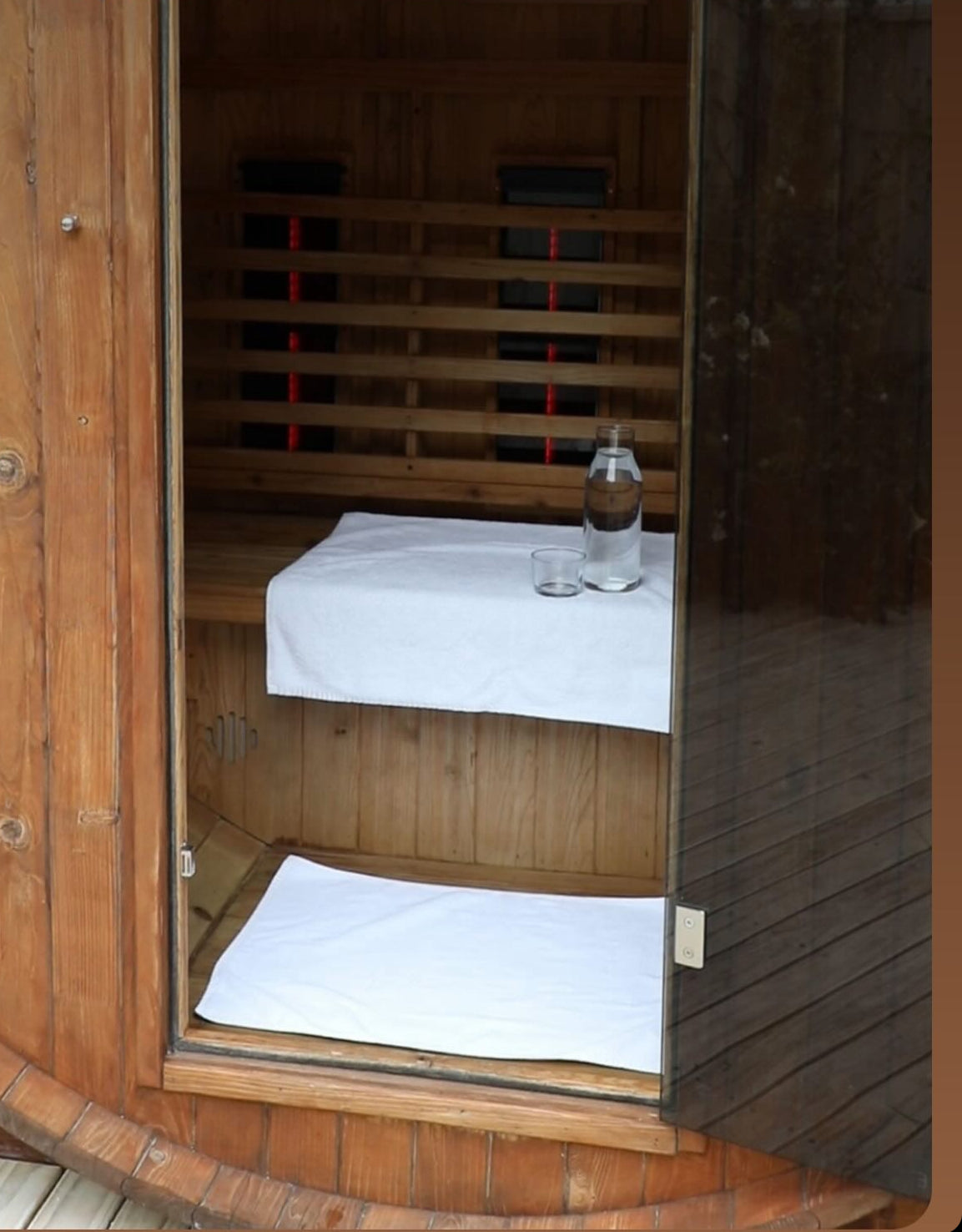
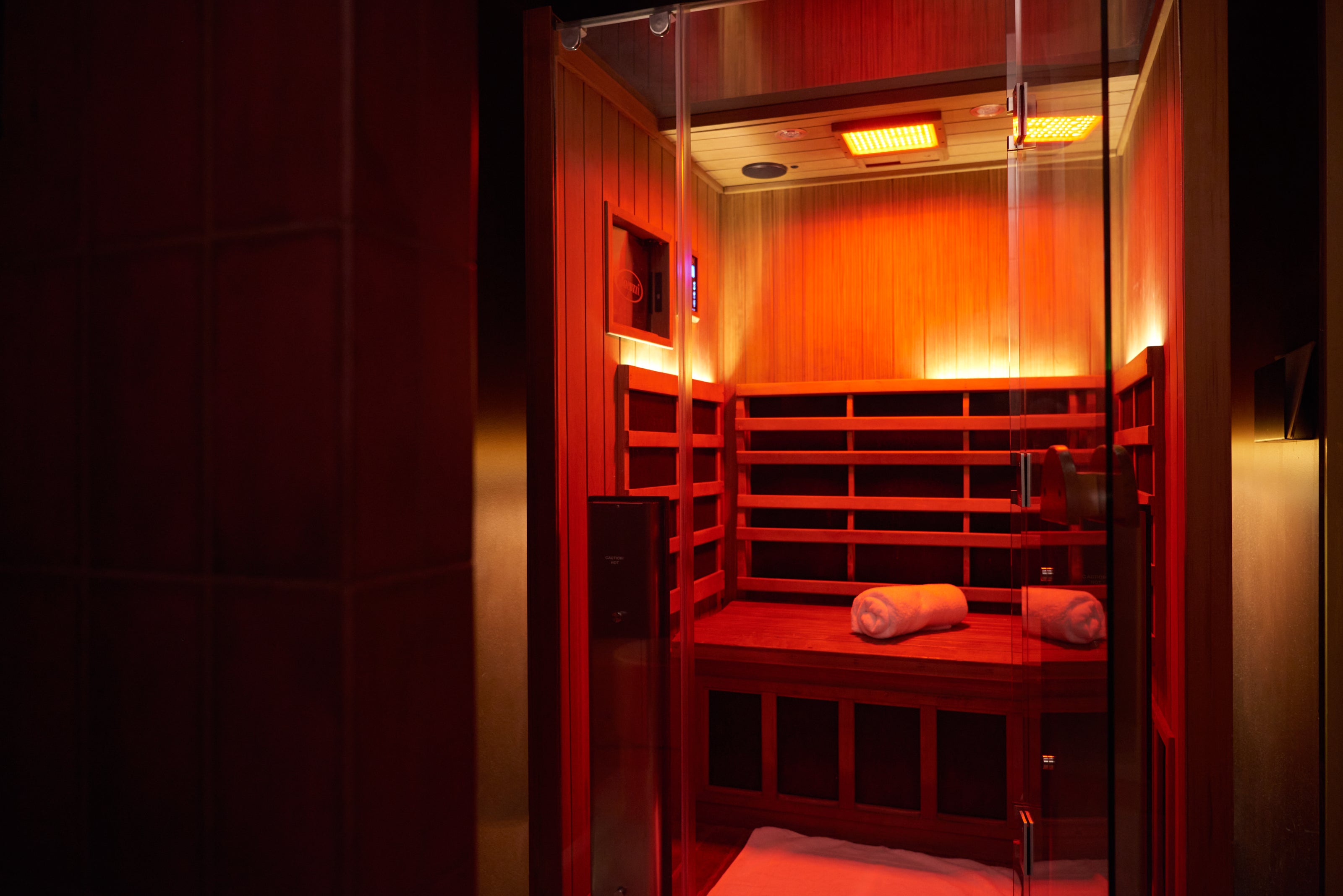
Infrared saunas operate at lower air temperatures, usually between 40–60°C. Instead of heating the air, infrared panels emit wavelengths that penetrate the skin and warm the body directly. This produces deep tissue heating without the extreme ambient heat of traditional saunas.
Because of the lower temperature, many people find infrared sessions more comfortable and sustainable, allowing for longer exposure times.
Emerging research suggests infrared sauna therapy may support:
-
Muscle recovery
-
Pain management
-
Circulatory improvements
-
Relaxation and sleep quality
Comparing Physiological Effects
Both sauna types ultimately aim to increase core temperature and induce sweating. Studies comparing the two suggest that while traditional saunas may produce faster cardiovascular responses due to higher ambient heat, infrared saunas can achieve comparable physiological effects over slightly longer sessions.
Key differences include:
-
Temperature tolerance: Infrared is often easier for beginners
-
Humidity: Traditional saunas can incorporate steam
-
Energy efficiency: Infrared systems heat quickly and consume less energy
-
Session duration: Infrared sessions are typically longer
Importantly, there is no definitive evidence that one method is universally superior. Benefits depend on frequency of use, individual tolerance, and overall lifestyle.
Accessibility and Consistency
From a behavioral perspective, the best sauna is the one people will use consistently. Infrared studios such as NIMBUS CO have contributed to accessibility by offering controlled environments designed for regular, repeatable practice.
Lower heat exposure can make infrared sessions appealing to individuals who find traditional saunas overwhelming, including those new to heat therapy or managing certain health conditions.
Evidence-Based Perspective
Scientific consensus continues to evolve, but current literature supports the idea that regular heat exposure — regardless of delivery method — is beneficial. Both infrared and traditional saunas stimulate:
-
Increased heart rate
-
Vasodilation
-
Sweating and detoxification pathways
-
Parasympathetic nervous system activation
Rather than framing the discussion as a competition, many experts view infrared and traditional saunas as complementary tools within a broader wellness framework.



Building a Resilient Mind: Where Mental Strength Really Begins

Thoughts and Exercises to Help Men When it Comes to Mental Health
