
Building a Resilient Mind: Where Mental Strength Really Begins
We live in a time where mental health advice is everywhere. "Think positively. Practice gratitude. Shift your mindset. Be more resilient." But what if resilience isn’t something you think your way into? What if it’s something you build, quietly, physically, daily, beneath the surface?
If you feel anxious, wired, reactive or constantly “on edge,” you’re not broken, you’re likely dysregulated.
Your nervous system has two main modes:
• Fight or flight (stress, urgency, pressure)
• Rest and digest (calm, recovery, clarity)
Resilience is your ability to move between these states and return to calm.
You cannot think your way out of a dysregulated body.
Small practices that build regulation:
– 5 slow breaths, longer on the exhale
– Morning sunlight within 20 minutes of waking
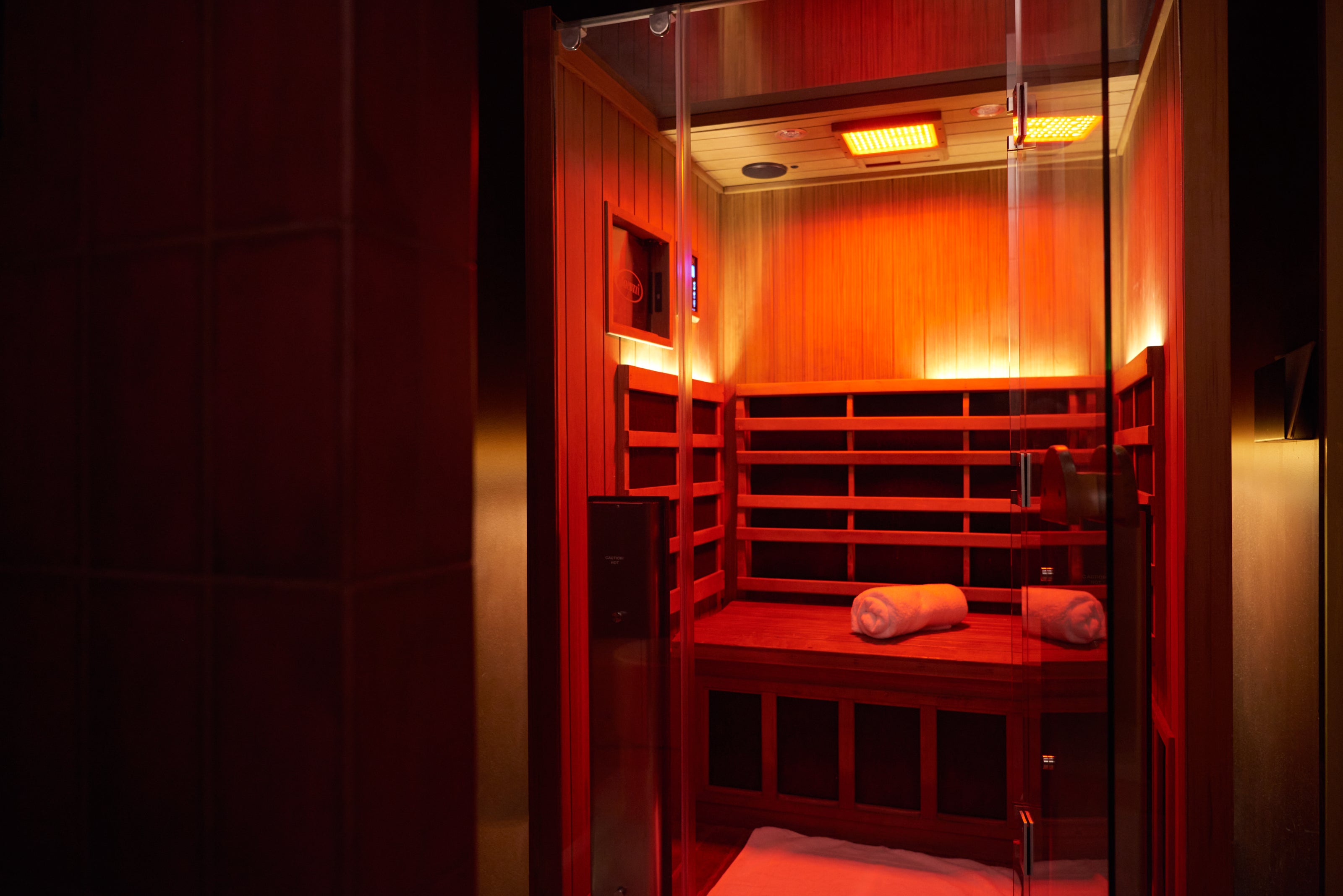
– Heat exposure (like sauna) followed by intentional cooling
– 10-minute walks without your phone
Reflection question:
When during the day do I feel most “activated”? What helps me feel safe again?
2. Recover: Stress vs Burnout
Stress is not the enemy. Chronic, unrelieved stress is.
Stress is short-term activation.
Burnout is prolonged depletion.
If you’re:
• Tired but wired
• Unmotivated but still pushing
• Emotionally flat or easily irritated
You may not need productivity hacks. You may need recovery.
Resilience requires oscillation of effort, then rest.
Weekly reset task:
This week, schedule one non-negotiable recovery block. No output. No multitasking. Just restoration.
Reflection:
Am I tired from effort… or from never fully switching off?
3. Restore: Sleep Is Emotional Repair
Sleep isn’t passive. It’s neurological therapy.
During deep and REM sleep:
• Your brain processes emotional experiences
• Stress hormones recalibrate
• Mood-regulating chemicals reset
When sleep is short or fragmented, everything feels heavier.
If your evenings feel anxious, it’s often a fatigued brain, not a broken life.
Gentle sleep builders:
– Dim lights 60 minutes before bed
– Consistent sleep and wake times
– No intense conversations late at night
– Magnesium-rich foods in the evening
Ask yourself:
What is one habit that could make my evenings softer?
4. Nourish: The Gut–Brain Connection
Your gut and brain are in constant conversation.
Around 90% of serotonin (a key mood chemical) is produced in the gut.
Chronic inflammation can influence anxiety and low mood.
Resilience isn’t just psychological. It’s biological.
Support your “second brain” with:
– 30g of fibre across the day
– Fermented foods (yoghurt, kefir, miso)
– Diverse whole foods
– Slower, more mindful eating
Small task:
Add one extra fibre source today: berries, chia seeds, lentils, leafy greens.
~
If you're feeling like you need time out this week, space to breathe, soften, and recalibrate, we're here.
Whenever you need a reset, a pause, or a place to come back to yourself, our doors are open.





Ten years. One question. Today NIMBUS turns ten.

The Hidden Cost of Always Being “On”
