
What Truly Supports Long-Term Well-being
An Insight on Preventative Living
For a long time, well-being has been treated as something we fix when it breaks. We wait until we’re exhausted, inflamed, anxious, burnt out or unwell — and then we react. A reset. A retreat. A supplement. A crash course back to “balance”.
But long-term well-being doesn’t work like that.
True wellbeing is not reactive. It’s preventative. And preventative living isn’t about perfection, restriction or doing more. It’s about building small, repeatable rituals that quietly support your body and mind long before they start asking for help.
Prevention Isn’t Sexy — But It Works
Preventative living doesn’t photograph particularly well. It’s not a dramatic before-and-after. It’s consistency over intensity. Boring, even — until you realise it’s the reason some people age well, stay energised and remain mentally resilient, while others are constantly firefighting.
The irony is that most of what supports long-term well-being is simple, accessible and low-tech.
The challenge isn’t knowing what to do — it’s creating the space and discipline to actually do it.

Regulation Over Optimisation When It Comes To Well-being
One of the biggest misunderstandings in modern wellness and our well-being is the obsession with optimisation. Biohacking. Maximising output. Pushing limits.
In reality, the foundation of long-term well-being is regulation — particularly of the nervous system.
When your nervous system is chronically overstimulated, everything downstream suffers: sleep, immunity, digestion, mood, focus and recovery. Preventative living for well-being starts by asking a quieter question: How do I help my system feel safe, steady and supported on a daily basis?
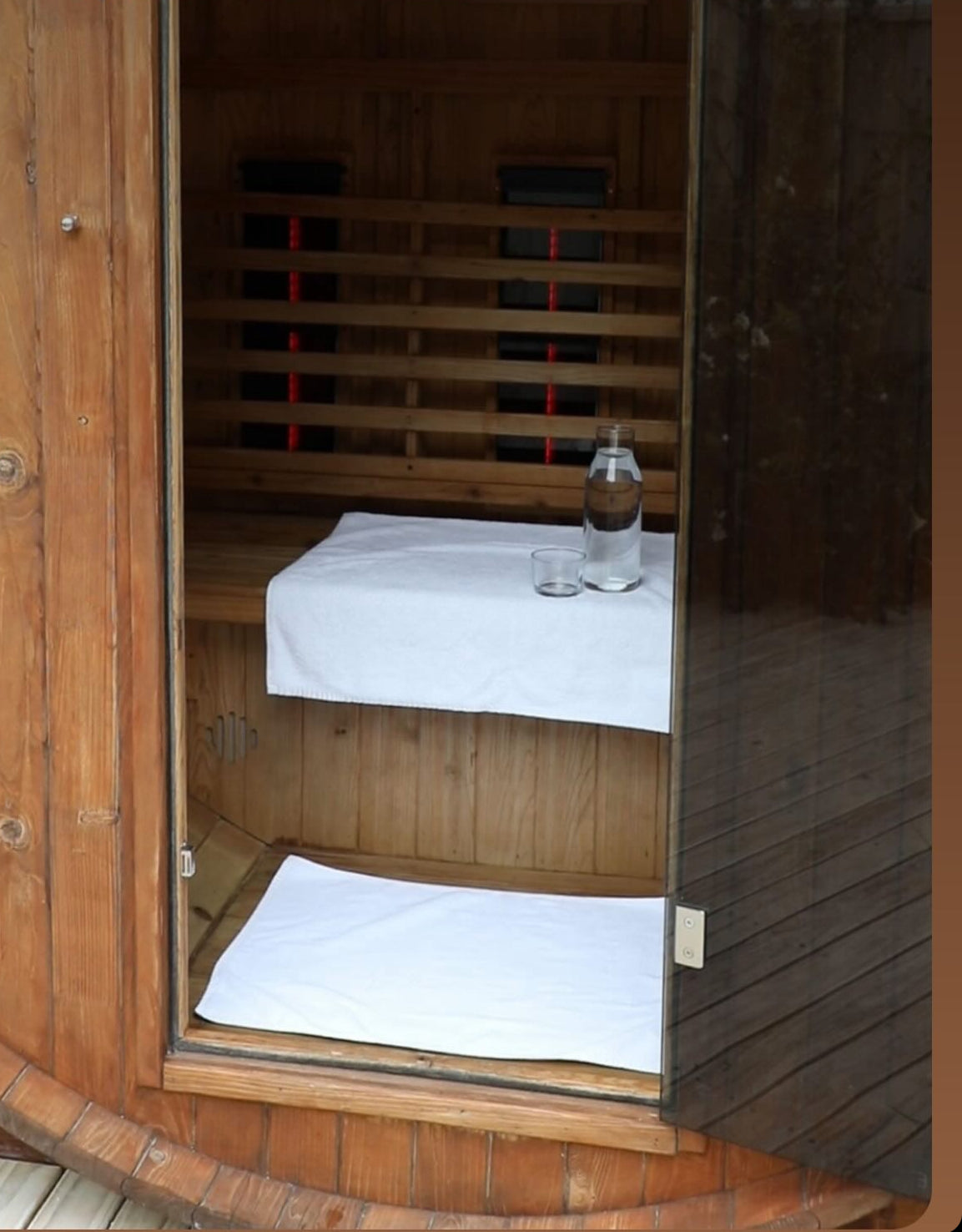
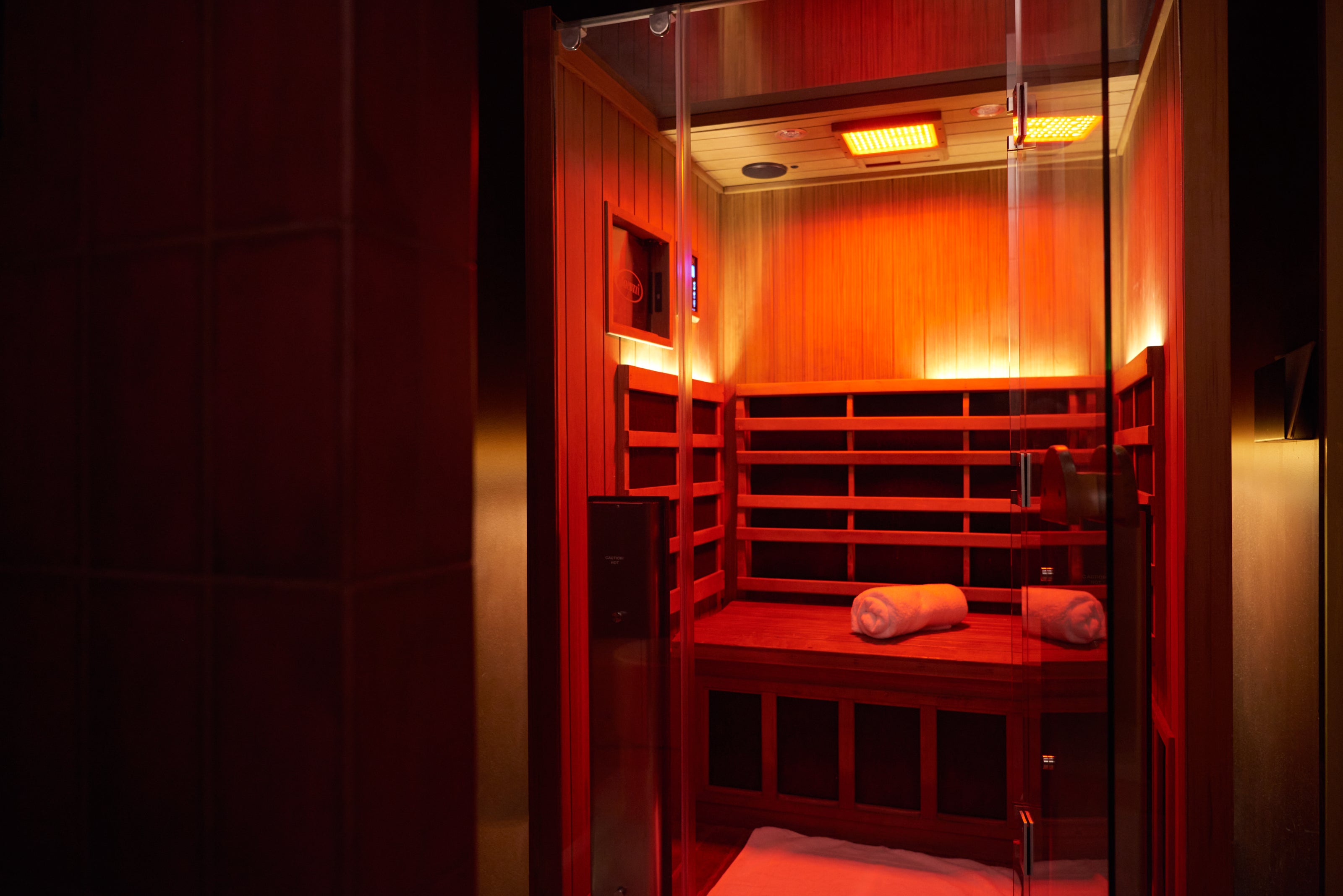
Practices like heat exposure (sauna), cold immersion, breathwork, movement and stillness all work not because they’re trendy, but because they gently train the body to adapt, recover and return to baseline more efficiently.
The Power of Ritual
Ritual is where prevention becomes sustainable.
Ritual removes decision fatigue. It creates rhythm. It gives the body and mind something to rely on. Whether it’s a morning walk, a regular sauna session, contrast therapy, or simply carving out time without stimulation — ritual turns well-being from a task into a way of living.
At NIMBUS, we see this daily. The people who benefit most aren’t the ones doing everything perfectly. They’re the ones showing up regularly, listening to their bodies, and allowing space for recovery before burnout hits and impacts their well-being.
Stress Isn’t the Enemy — Lack of Recovery Is
Stress is unavoidable. In fact, short bursts of stress are essential for growth. The problem arises when stress becomes constant, and recovery becomes optional.
Preventative living reframes the equation. It acknowledges that life will always place demands on us — but recovery must be treated with the same respect as effort.
Heat, cold, movement, breath, sleep, connection and nutrition aren’t indulgences. They’re recovery tools. When practiced consistently, they create resilience — the capacity to handle stress without tipping into depletion.
Well-being as Infrastructure, Not an Add-On
Perhaps the most important shift is this: well-being shouldn’t sit on the margins of life. It needs to be built into the infrastructure of how we live and work.
This applies equally to individuals, workplaces and communities. When well-being is treated as a bonus — something we get to after everything else — it’s always the first thing sacrificed. When it’s foundational, everything else functions better.
Preventative living asks us to design our days, environments and habits with the long view in mind. Not to avoid discomfort, but to support longevity, clarity and presence.
The Long Game
Long-term well-being isn’t about chasing constant happiness or peak performance. It’s about maintaining enough energy, mobility, clarity and emotional steadiness to live fully — not just now, but decades from now.
It’s choosing practices that compound quietly. It’s respecting the signals your body sends before they become symptoms. It’s understanding that rest is productive, recovery is strategic, and prevention is powerful.
The future of wellness isn’t louder or more extreme. It’s calmer. Smarter. More intentional.
And it starts long before anything goes wrong.



Cold exposure was never about who can handle the coldest temperature

Ten years. One question. Today NIMBUS turns ten.
