Should You Try Gentle Contrast Therapy?
Contrast therapy - moving between heat and cold - has been used for centuries as a way to support recovery, circulation, and resilience. Today, it’s become a core part of modern wellness spaces, often in the form of ice baths and high-heat saunas.
But more recently, a quieter version has emerged: gentle contrast therapy. Less extreme temperatures. Shorter exposure. A more nervous-system-led approach to recovery.
At Nimbus, this shift feels important - not because intensity is wrong, but because sustainability matters more.
Why contrast therapy works
Alternating between heat and cold creates a controlled form of “stress” for the body.
Heat encourages circulation, relaxation, and vasodilation. Cold creates contraction, alertness, and a temporary inflammatory response. Moving between the two can support:
-
circulation and recovery
-
muscle fatigue reduction
-
nervous system adaptability
-
post-stress regulation
It’s less about pushing extremes, and more about training the body to return to balance.
Why gentler may be better for many people
Emerging research and clinical perspectives suggest that not all bodies respond the same way to thermal stress.
Women in particular may experience cold and heat more intensely due to differences in thermoregulation, hormonal shifts, and baseline stress load. For some people, especially those already managing fatigue or high stress, extreme temperatures can feel like additional strain rather than recovery.
Gentle contrast therapy shifts the goal:
from endurance → to response
from intensity → to consistency
And consistency is where the benefits actually build.
What gentle contrast therapy looks like
Instead of pushing extremes, the focus is on shorter, more manageable cycles:
-
warm shower or sauna (3–5 minutes)
-
brief cool or cold exposure (30–60 seconds)
-
repeat for a few rounds, without strain
The result is still a physiological shift - but without overwhelming the nervous system.
The Nimbus approach to heat + cold
At Nimbus, we see contrast therapy as a recovery rhythm, not a performance test.
The goal isn’t how much you can tolerate - it’s how well you can recover afterwards.
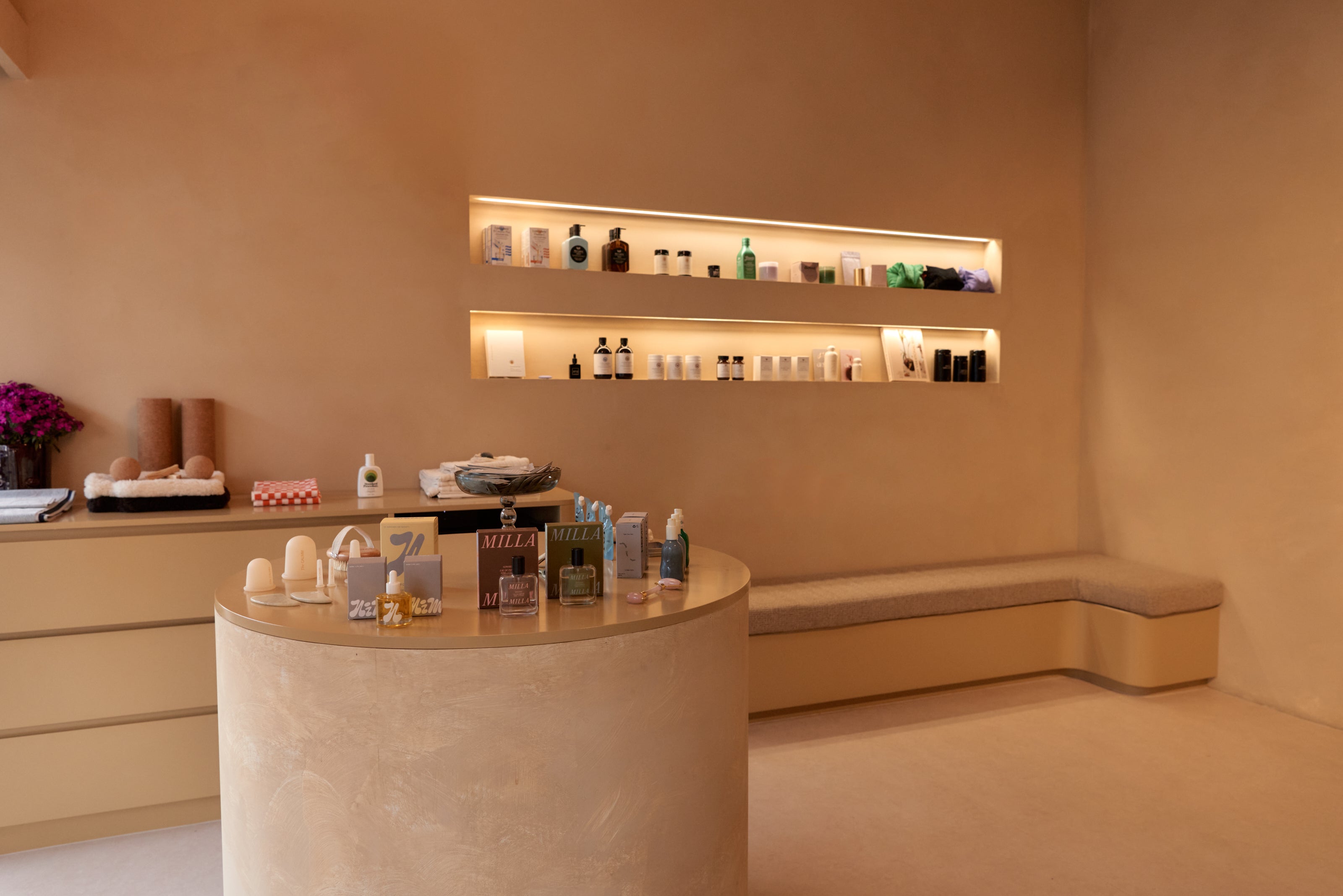
Our supportive tools for gentle contrast:
-
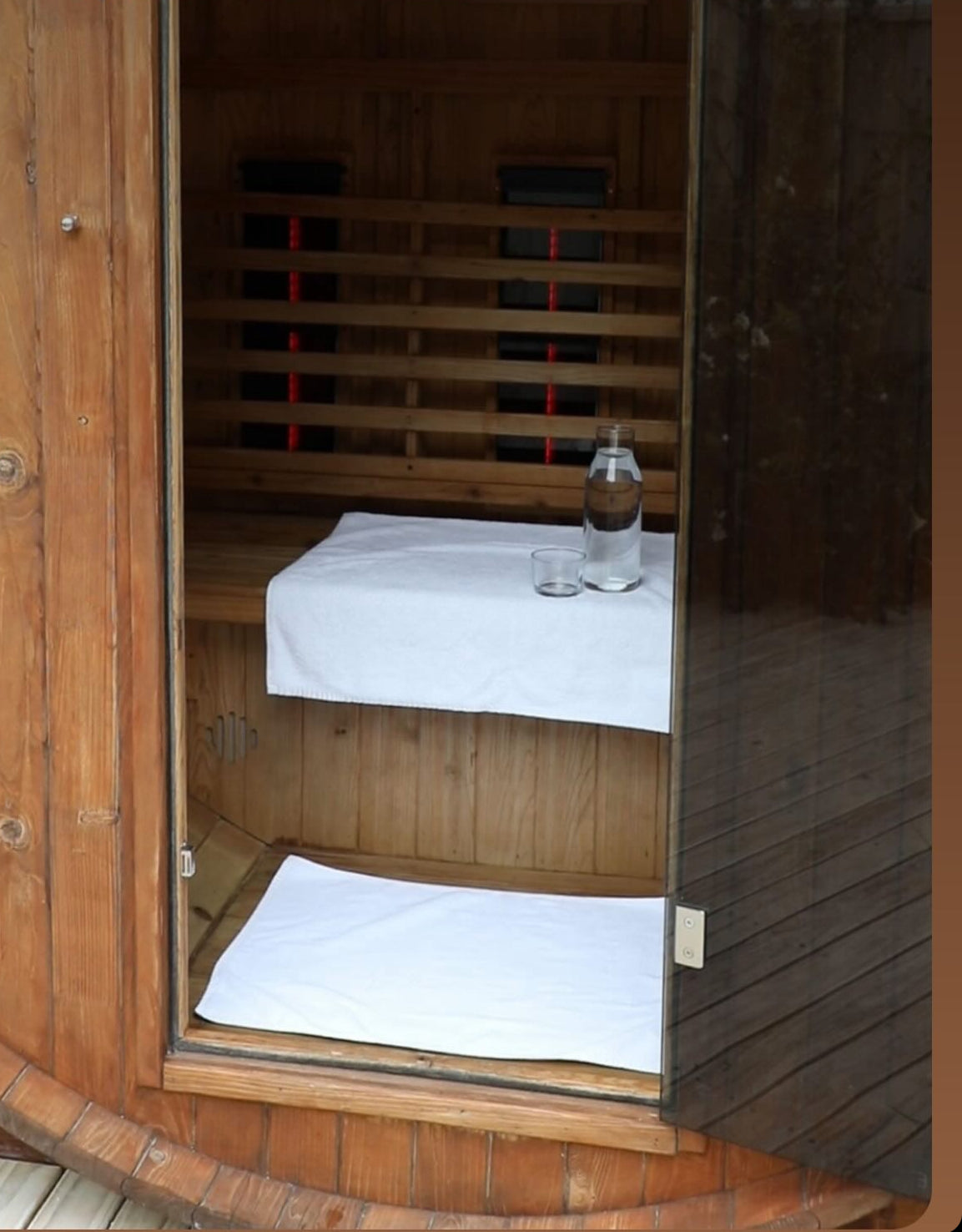
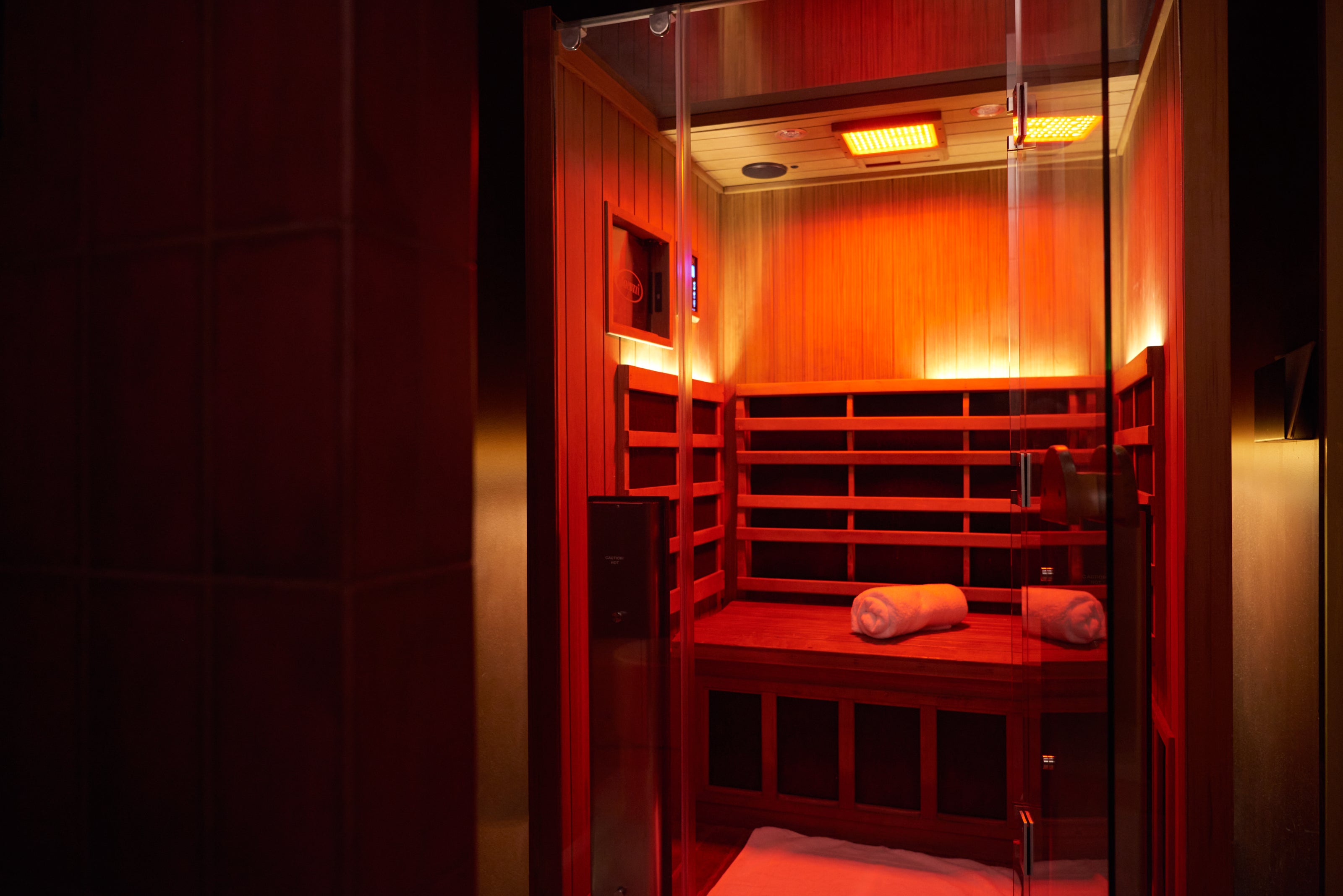
Sauna + Sauna Blanket for accessible heat therapy and recovery
-
Magnesium Spray to support nervous system downregulation post-exposure
-
Cloud Form Electrolyte Powder to support hydration and mineral balance
-
Body Oil to ground the body after thermal work
-
Dry Brush to stimulate circulation before heat exposure
-
Body Gua Sha to support lymphatic flow and release tension
What it should feel like
Gentle contrast therapy shouldn’t leave you depleted.
It should feel like:
-
clearer head
-
lighter body
-
calmer nervous system
-
improved post-session energy, not fatigue
If it feels like a shock or strain, it’s likely too intense for your current state.
The bigger picture
The most effective recovery practices are not the most extreme - they’re the most repeatable.
Gentle contrast therapy reflects a broader shift in wellness: away from pushing physiology, and toward working with it.
Because the goal isn’t intensity.
It’s resilience that lasts.



Ten years. One question. Today NIMBUS turns ten.

The Hidden Cost of Always Being “On”
