
Endometriosis & Infrared Heat — Why Your Body Will Thank You
If you have endometriosis, you already know the drill. The crushing pelvic pain. The fatigue that no amount of sleep seems to touch. The appointments, the waiting lists, the treatments that help a little but never quite enough. And the quiet, exhausting frustration of having a condition that still takes an average of six to eight years to diagnose Endometriosisaustralia. For years, most women spend being told their pain is normal, manageable, or in their heads.
It isn't. And it's far more common than most people realise.
In Australia, 1 in 7 females — around 14% of girls and women — are now estimated to live with endometriosis. Endometriosisaustralia
An estimated $293 million was spent on endometriosis in the Australian health system in 2022–23 alone, more than double what was spent a decade earlier. Australian Institute of Health and Welfare
It is one of the most prevalent chronic conditions among women of reproductive age, and yet the conversation around complementary management options — the things women can do between appointments and surgeries to genuinely feel better — remains frustratingly thin.
That's what this piece is about. Specifically, it's about infrared heat, and why the science behind it makes it one of the most compelling tools available to women living with endometriosis.
What endometriosis actually is — and why heat matters
Endometriosis occurs when tissue similar to the uterine lining grows outside the uterus — on the ovaries, fallopian tubes, bowel, and pelvic cavity. Every month, that tissue responds to hormonal changes the way the uterine lining would: it thickens, breaks down, and bleeds. But with nowhere to go, it creates inflammation, adhesions, and often severe pain.

The keyword here is inflammation. Endometriosis is, at its core, a chronic inflammatory condition — and managing inflammation is where infrared heat earns its place.
What infrared heat actually does
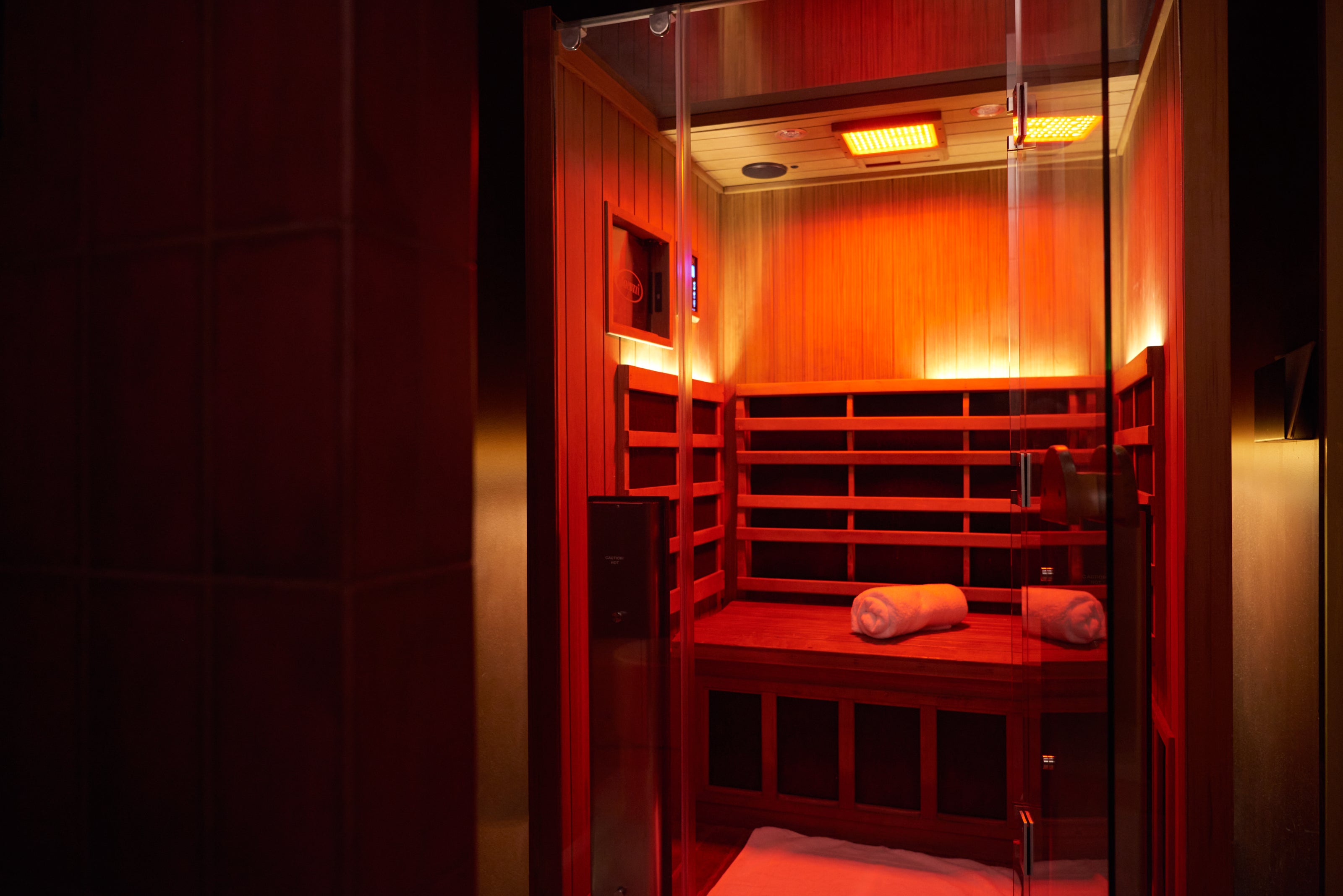
Standard heat — like a wheat bag or a hot shower — warms the skin's surface. Infrared is different. Far infrared (FIR) wavelengths penetrate several centimetres beneath the skin, reaching the deeper tissues, muscles, and organs where endometriosis does its damage. This isn't just warmth — it's targeted, therapeutic heat that triggers a cascade of physiological responses.
In women with endometriosis, this matters enormously. FIR increases abdominal temperature and blood flow, relaxing the pelvic muscles that endometriosis causes to tighten and spasm. It reduces cramping by improving circulation to the pelvic region and removing the inflammatory byproducts that accumulate in affected tissue. It decreases the production of pro-inflammatory cytokines — the chemical messengers that drive the chronic pelvic pain cycle.
And the research backs this up. Randomised controlled trials have found that women receiving FIR therapy report significantly reduced pain intensity and duration, fewer adhesions, and meaningfully better overall quality of life compared to control groups. These aren't anecdotal reports — they are measured outcomes in clinical settings.
The hormonal piece
Pain is only part of the endometriosis story. The condition is also deeply hormonal, and this is where infrared sauna therapy offers a second layer of benefit that often gets overlooked.
Endometriosis is strongly linked to excess oestrogen — both the oestrogen the body produces and xenoestrogens, which are synthetic compounds that mimic oestrogen in the body. Xenoestrogens are found in plastics, pesticides, personal care products, and environmental pollutants, and they accumulate in fatty tissue over time. Infrared heat stimulates deep circulation, prompting the body to flush xenoestrogens from tissue out through the skin via sweat — a process that supports the liver's detoxification pathways and reduces the oestrogenic load that makes endometriosis worse.
At the same time, regular sauna use has been shown to reduce cortisol — the stress hormone that, when chronically elevated, exacerbates endometriosis symptoms and disrupts hormonal balance further. In its place, sauna stimulates serotonin production, supporting mood and emotional regulation. For women who know that flare-ups often coincide with periods of high stress, this hormonal rebalancing effect is not a minor footnote — it's central to why regular heat therapy can shift the baseline.
The mental health dimension
Here's something that doesn't get discussed enough: the psychological toll of endometriosis is enormous. Chronic pain changes the nervous system. It creates anxiety, disrupts sleep, fuels depression, and isolates women from the lives they want to be living. The condition affects not just the body but the whole person.
A 2021 study published in Frontiers in Physiology found that sauna bathing significantly increased beta-endorphin levels — the body's natural painkillers and mood-elevating compounds. This matters both physically, in reducing the sensation of pain, and emotionally, in countering the anxiety and low mood that so often accompany living with a chronic condition. Women who use infrared sauna regularly often describe a sense of calm and emotional reset that goes beyond simple relaxation — and the science explains why.
On the days you can't make it in
We know that getting to a studio consistently isn't always possible — especially when a flare-up has you horizontal on the couch. This is where infrared sauna blankets come in. A quality sauna blanket delivers the same far infrared wavelengths as a full sauna suite, at home, on your schedule, at whatever intensity feels right for where you are in your cycle. You don't need to have a good day to use one. In fact, the days when getting to a studio feels impossible are often the days when 20 minutes in a blanket makes the most difference.
How to use infrared heat safely with endometriosis
A few practical notes for getting the most out of infrared therapy if you have endometriosis:
Start with shorter sessions — 15 to 20 minutes — and build up as your body adapts. Hydrate well before and after, as deep sweating depletes electrolytes. Listen to where you are in your cycle; some women find heat most beneficial in the days before and around their period, while others prefer consistent weekly sessions throughout the month. If you're on hormonal treatment or have been recently post-surgery, check with your specialist before beginning.
Infrared therapy is not a cure. Endometriosis has no cure — and anyone who tells you otherwise is selling something. What infrared heat offers is meaningful, science-supported, complementary relief: less pain, less inflammation, better hormonal balance, and a genuinely improved quality of life. For a condition that costs women so much — in pain, in time, in missed moments — that is not a small thing.
It's a starting point. And sometimes, starting points change everything.
Disclaimer: Infrared therapy is a complementary support tool and should not replace medical treatment or professional advice. If you are managing endometriosis, please work with a qualified healthcare provider to develop a treatment plan that's right for you.



Ten years. One question. Today NIMBUS turns ten.

The Hidden Cost of Always Being “On”
